10 Signs It's Time to Redesign Your Website in 2026 | UGD Solution
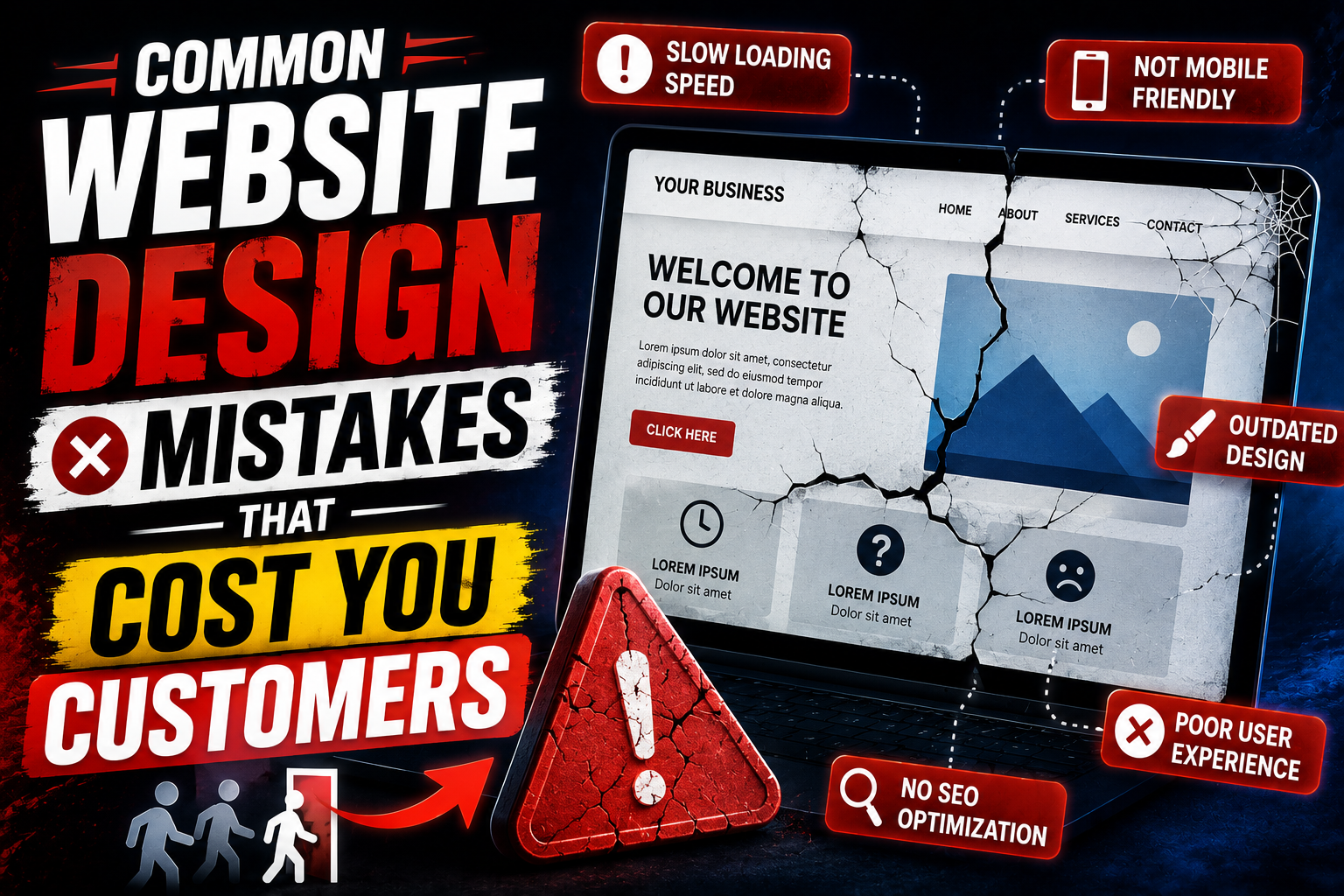
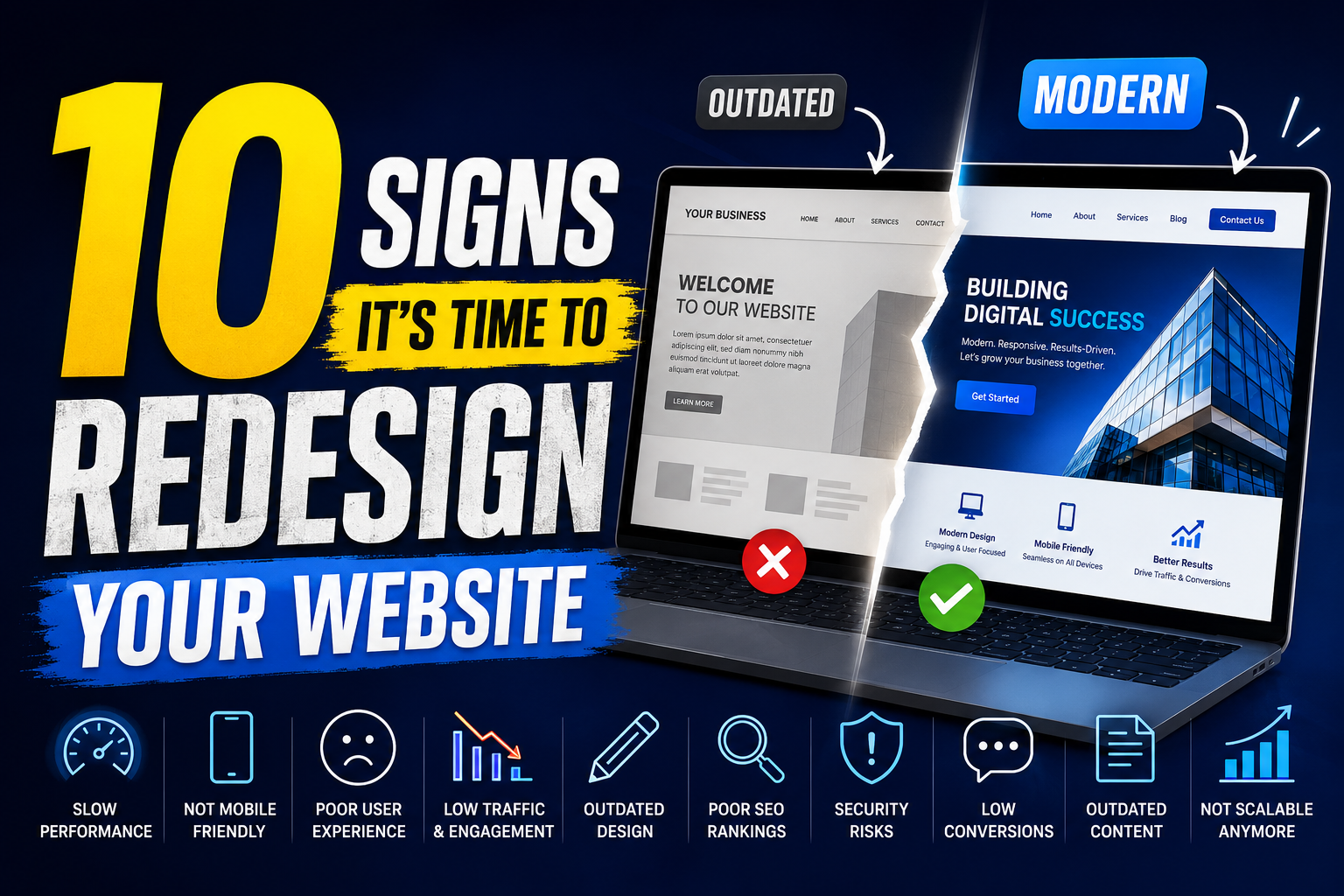
Introduction Your website is often the first impression potential customers have of your business. In today's digital-first world, having an outdated or poorly performing website can cost you valuable leads, sales, and credibility. Technology, user expectations, and search engine algorithms continue to evolve, making regular website updates essential for business growth. A professional website should not only look attractive but also provide an excellent user experience, load quickly, and convert visitors into customers. If your website is struggling to achieve these goals, it may be time for a redesign. In this guide, we'll explore the top 10 signs that indicate your website needs a makeover and how a modern redesign can help your business stay competitive in 2026 and beyond. Sign #1 – Your Website Looks Outdated First Impressions Matter Visitors form an opinion about a website within seconds. If your website design looks like it was built years ago, users may assume your business is outdated as well. Common Signs of an Outdated Design Old-fashioned layouts Poor-quality images Inconsistent branding Small fonts and cluttered content Flash-based elements or outdated features Example Imagine comparing a modern eCommerce store with sleek navigation and mobile optimization against a website built in 2015. Most users will trust the modern website and are more likely to make a purchase. Statistics Research shows that 75% of consumers judge a company's credibility based on its website design. Sign #2 – Slow Loading Speed Speed Directly Impacts User Experience Today's users expect websites to load almost instantly. A slow website frustrates visitors and increases bounce rates. Warning Signs Pages take more than 3 seconds to load Large, unoptimized images Outdated hosting infrastructure Excessive plugins and scripts Example A customer searching for your services may leave and visit a competitor if your website takes too long to load. Statistics Studies show that 53% of mobile users abandon a website if it takes longer than three seconds to load. Sign #3 – Your Website Isn't Mobile-Friendly Mobile Users Dominate the Internet More than half of global web traffic comes from mobile devices. If your website doesn't adapt properly to smartphones and tablets, you're losing potential customers. Common Issues Text too small to read Buttons difficult to tap Content not responsive Poor mobile navigation Example A restaurant website that doesn't display properly on mobile may lose reservation inquiries from smartphone users. Statistics Over 60% of website traffic now originates from mobile devices. Sign #4 – High Bounce Rate Visitors Leave Without Taking Action A high bounce rate often indicates poor user experience, irrelevant content, or design issues. Potential Causes Confusing navigation Slow loading pages Poor content structure Unappealing design Example If visitors land on your homepage and immediately leave, your website may not be meeting their expectations. Sign #5 – Low Search Engine Rankings SEO Standards Keep Changing Search engines prioritize websites that are fast, secure, mobile-friendly, and user-focused. Signs Your Website Hurts SEO Missing metadata Poor site structure Slow performance Non-responsive design Example A redesigned website with modern SEO practices can significantly improve search visibility and organic traffic. Sign #6 – Difficult Navigation Users Can't Find Information Easily Visitors should be able to locate important information within a few clicks. Navigation Problems Too many menu items Broken links Unclear page hierarchy Confusing user journey Example If users struggle to find your contact page or service information, they're likely to leave. Sign #7 – Poor Conversion Rates Traffic Without Results Is a Problem Getting visitors is only half the battle. Your website should convert visitors into leads, inquiries, or sales. Signs of Low Conversion Few contact form submissions Low sales volume Weak call-to-action buttons Complicated checkout process Example A redesigned landing page with clear CTAs can dramatically improve conversion rates. Sign #8 – Your Branding Has Changed Your Website Should Reflect Your Brand Businesses evolve over time. If you've updated your logo, services, mission, or visual identity, your website should reflect those changes. Common Branding Mismatches Old logos Outdated company information Inconsistent colors Mixed messaging Example A modernized brand deserves a website that accurately represents its current identity. Sign #9 – Security Concerns Website Security Is Critical Cyber threats continue to increase, and customers expect websites to be secure. Security Warning Signs No SSL certificate Outdated CMS or plugins Frequent downtime Security vulnerabilities Statistics Cybercrime damages are expected to exceed trillions of dollars globally each year, making website security a top priority. Sign #10 – Competitors Have Better Websites Staying Competitive Matters If competitors offer a better online experience, potential customers may choose them instead. Compare Your Website Against Competitors Design quality Speed User experience Mobile responsiveness Content presentation Example A modern website can help level the playing field and create a stronger market presence. Key Takeaways Before deciding whether your website needs a redesign, ask yourself these questions: ✅ Does my website look modern and professional? ✅ Is it mobile-friendly? ✅ Does it load in under three seconds? ✅ Are visitors converting into customers? ✅ Is my website optimized for SEO? ✅ Does it reflect my current brand identity? ✅ Is navigation simple and user-friendly? ✅ Is it secure and trustworthy? If you answered "No" to several of these questions, a website redesign could significantly improve your business performance. Why Website Redesign Matters in 2026 The digital landscape is becoming increasingly competitive. Modern websites are expected to deliver: Faster performance Better user experience Mobile-first design Enhanced security Higher search engine rankings Better lead generation A redesign is not just about aesthetics—it's about improving business results. Frequently Asked Questions (FAQs) How often should a website be redesigned? Most businesses should consider a website redesign every 2–3 years to stay current with design trends, technology updates, and user expectations. Will redesigning my website improve SEO? Yes. A properly executed redesign can improve site speed, mobile usability, technical SEO, and overall search engine performance. How long does a website redesign take? Depending on the size and complexity of the website, a redesign can take anywhere from a few weeks to several months. Can I redesign my website without losing existing content? Absolutely. A strategic redesign preserves valuable content while improving structure, design, and performance. What is the biggest benefit of a website redesign? The biggest benefit is improved user experience, which often leads to better engagement, higher conversions, and increased revenue. Ready to Redesign Your Website? Your website should work as your most powerful digital marketing tool—not hold your business back. At UGD Solution, we help businesses create modern, fast, mobile-friendly, and SEO-optimized websites that attract visitors and convert them into customers. Whether you need a complete website makeover or performance improvements, our team can help you build a website designed for growth. Get Started Today ✔ Professional Website Design ✔ Responsive Mobile Development ✔ SEO Optimization ✔ Speed & Performance Enhancement ✔ Business Website Redesign Services Contact UGD Solution today and transform your website into a powerful business asset. Conclusion An outdated website can negatively impact your brand reputation, search rankings, and customer conversions. By recognizing these 10 warning signs early, you can take proactive steps to improve your online presence and stay ahead of competitors. Investing in a website redesign is not merely a design upgrade—it's an investment in your business's future. A modern, user-friendly, and high-performing website can help you attract more visitors, generate more leads, and achieve sustainable business growth in 2026 and beyond.